[english version below]
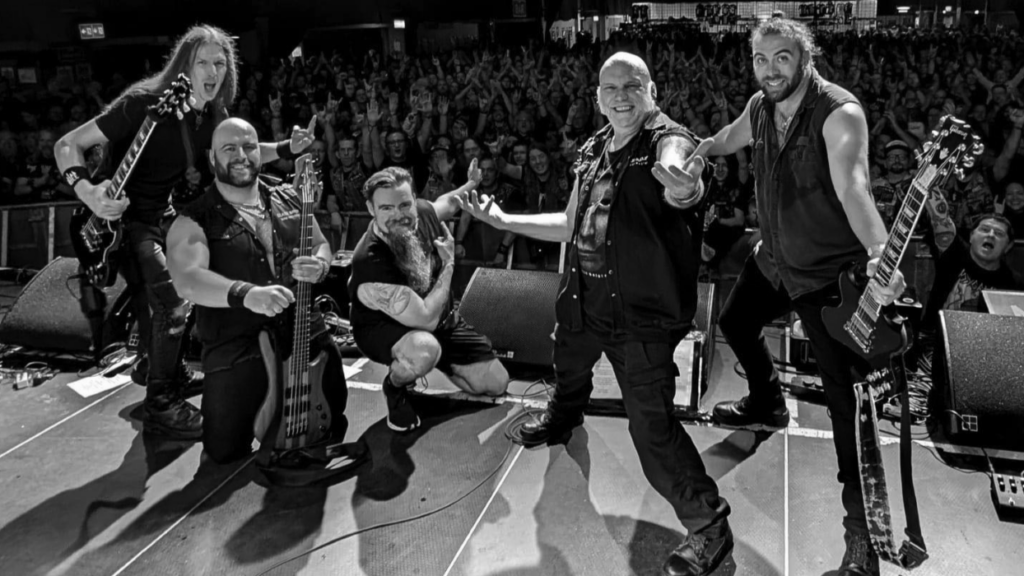
Il leggendario ex cantante degli Iron Maiden Blaze Bayley torna in Italia per cinque imperdibili date del suo “Iron Maiden Anniversary Tour 2026”, un live speciale di oltre 2 ore e mezza interamente dedicato agli album “The X Factor” e “Virtual XI”. Non sarà un semplice tributo, bensì una vera re-interpretazione attuale, come ci svela lui stesso.
Nuovo tour italiano!
Sono davvero molto contento di tornare! Ho suonato molte volte a Milano e a Roma. Ma il mio tour italiano preferito risale a molti anni fa. Credo fosse il tour di “The Man Who Would Not Die” oppure quello di “Promise and Terror”: il mio agente mi aveva organizzato venti concerti in Italia. Siamo andati dappertutto, fino al tacco dello stivale. Ovunque. Mi è piaciuto moltissimo. Alcuni concerti si tenevano in locali tradizionali, altri invece in posti dove la gente cenava e poi assisteva allo spettacolo. Facevi parte di una sorta di cena-spettacolo, una cosa molto insolita per il tipo di musica che faccio. Ma a me piaceva moltissimo, amico. Le persone cenavano, bevevano e poi tu potevi salire sui tavoli cantando e facendo di tutto. Era una follia assoluta. Vedevi che la gente aveva voglia di alzarsi, ma doveva rimanere seduta. Mi piace quando le cose sono diverse e assumono forme differenti. Ti porta a riflettere un po’ di più su quello che stai facendo. Ti ritrovi fuori, lontano dalla tua bolla, e il pilota automatico si disattiva. A quel punto anche i testi riaffiorano in qualche modo, e la melodia torna a farsi sentire in maniera diversa. Trovarsi in un ambiente differente ti porta a pensare in modo leggermente diverso. Devi concentrarti un po’ di più e l’interpretazione del brano diventa molto più fresca.
Insomma, ho amato quel grande tour italiano. Mi è piaciuto davvero tantissimo. Venti concerti in Italia. Pensavo: Oh, cavolo! Dopo quell’esperienza le cose non sono andate come speravo, quindi non ho più avuto un altro grande tour in Italia, anche se ho sempre desiderato farlo. Credo che questo sia il tour più importante da allora, dai tempi di “The Man Who Would Not Die”. Il mio vecchio batterista, Claudio Tirincanti, che ha suonato con me per un paio d’anni, vive a Rimini, quindi spero di riuscire a incontrarlo.
Questo tour è dedicato ai due album che hai registrato con gli Iron Maiden, oltre ad altro materiale della tua carriera. Quello che mi colpisce è che si tratta di due dischi molto diversi tra loro. Come fai a farli convivere all’interno dello stesso concerto? Come hai costruito la scaletta?
Tutto è nato dall’anniversario di “The X Factor”. Ho pensato: beh, sarebbe un peccato non fare qualcosa per celebrarlo. Sai, è un album molto importante nella mia carriera. Per gli Iron Maiden ha rappresentato un grande cambiamento, con l’arrivo di un nuovo cantante e tutto il resto. Così ho pensato che forse avrei dovuto organizzare qualcosa per festeggiarlo. Mi è venuta l’idea di fare un grande concerto. Poi mi sono detto: se dobbiamo affrontare tutta la fatica di imparare tutti i brani per eseguire “The X Factor” per intero, comprese tutte le B-side, perché non fare più di un concerto? Magari uno in ogni Paese. È così che è nata l’idea. Era il decimo album in studio degli Iron Maiden e “X” è il numero romano che indica il dieci. Così ho pensato: dieci concerti, dieci Paesi. Ci è sembrata un’idea sensata e divertente. Mi piaceva l’idea di fare un concerto in ogni Paese. Quasi tutte le date sono andate esaurite e l’intera operazione è stata un grande successo: il pubblico era entusiasta. Non eseguo i brani esattamente come suonano sul disco. Propongo la versione di Blaze Bayley con la mia band. Alla gente è piaciuto quello che abbiamo fatto: dicevano che il risultato suonava fresco, senza rovinare l’originale. Continuavano a chiedermelo, ma non volevo andare avanti limitandomi a eseguire sempre e soltanto quell’album. Poi mi sono detto: Sai una cosa? Gli Iron Maiden festeggiano il loro cinquantesimo anniversario. Abbiamo già fatto “The X Factor”, quindi quei brani li conosciamo bene. Non erano una novità per noi, perché li avevamo già imparati per quel progetto, e conoscevamo anche alcune canzoni di “The Virtual XI”. Così ho pensato: Perché non mettere insieme uno spettacolo che celebri quel periodo?
Abbiamo scelto i miei brani preferiti di “The X Factor”, quelli che preferisco di “Virtual XI” e un paio di canzoni di Blaze Bayley che ho scritto insieme a Steve Harris e agli altri ragazzi degli Iron Maiden. È quello che abbiamo fatto, annunciando che sarebbe stato il nostro progetto per l’anno successivo. Molte persone hanno cominciato a contattarci per prenotare le date. Poi abbiamo ricevuto questa incredibile offerta dagli Iron Maiden per suonare all’EddFest nel Regno Unito, a Knebworth. Volevano che proponessimo il repertorio degli Iron Maiden e al pubblico è piaciuto moltissimo. Dopo quell’esperienza, ancora più persone hanno cominciato a chiederci di portare in giro lo spettacolo. Quando abbiamo eseguito l’album “The X Factor” a Roma, il concerto era esaurito. Avremmo potuto fare due serate. È stato incredibile e siamo davvero molto entusiasti. La scelta dei tempi e dei temi, il modo in cui si bilanciano l’oscurità e il carattere cupo di un brano rispetto a quello successivo: sono tutti aspetti importanti. Alcune canzoni sono molto emotive, altre invece sono divertenti. Si tratta di mettere insieme tutti questi elementi. Ormai abbiamo fatto una cinquantina di concerti di questo tipo e penso che la scaletta funzioni davvero bene. Ha funzionato molto bene in tutta Europa e nel Regno Unito. Siamo davvero, davvero felici di venire in Italia e proporre questa scaletta celebrativa. Finora è andato tutto molto bene. Mi sorprende l’entusiasmo con cui il pubblico sta accogliendo il progetto. Sembra esserci una sorta di fame per gli anni Novanta, una certa nostalgia. Non so se anche tu abbia questa impressione, ma in questo momento si avverte molta nostalgia per tutto ciò che appartiene a quel decennio.
Forse perché oggi la musica ha preso tante direzioni diverse e tutto sembra un po’ confuso. Per questo le persone sentono il bisogno di tornare a ciò a cui la musica appartiene, a qualcosa di autentico. Hanno bisogno di qualcosa di vero, non credi?
Beh, quello che facciamo noi è suonare al cento per cento dal vivo. Non utilizziamo nessuna parte di tastiera preregistrata. Il batterista non suona neppure seguendo una click track. Ci siamo soltanto noi sul palco e il pubblico. È una componente fondamentale dello spettacolo. Il pubblico, le reazioni delle persone e tutto quello che succede diventano parte integrante della musica mentre la suoniamo. Ogni concerto di Blaze Bayley è al cento per cento dal vivo. A volte questo si nota perché facciamo degli errori clamorosi ed è terribile. Altre volte, invece, è semplicemente fantastico. Insomma, ci sono entrambe le possibilità, ma è così che funziona. Non abbiamo nulla di preregistrato. Ci siamo soltanto noi e la nostra interpretazione dei brani. Per me l’album è come un libro. Sai, da un libro riesci sempre a ricavare qualcosa in più rispetto a un film. Il disco contiene tutti i dettagli. Non sto cercando di ricreare l’album: quello che voglio fare è dare vita alle canzoni, portandole sul palco con passione ed emozione per i miei fan e per il pubblico. Finora sembra funzionare. A quanto pare, a qualcuno piace quello che facciamo, e personalmente adoro assistere ai concerti delle band quando tutto viene suonato dal vivo. Non voglio assolutamente criticare o parlare male dei gruppi che utilizzano basi preregistrate o cori registrati. No, va benissimo. Se quella è la vostra idea di spettacolo e il modo in cui volete lavorare, non c’è problema. Ma non è il mio caso. Il mio modo di presentarmi, il mio spettacolo, il mio concerto sono fatti al cento per cento di passione ed emozione.
Ecco perché abbiamo bisogno di una musica che venga da dove vieni tu, da dove senti di appartenere. Ma questi brani, non so, te lo chiedo: pensi che siano pagine della storia della musica oppure che facciano parte della tua stessa identità musicale? In un certo senso, credo che siano entrambe le cose. Ma per me la sensazione è quella di incontrare dei vecchi amici. È proprio come ritrovare dei vecchi amici. Sai, tutti i tuoi amici hanno personalità diverse. Si vestono in modo diverso, parlano in modo diverso, hanno accenti differenti. Magari vengono da Paesi diversi. Non li vedi da molto tempo, ma siete davvero grandi amici. Così, quando vi ritrovate, scatta immediatamente una sintonia. Eppure, allo stesso tempo, tutto è cambiato. Sono sempre le stesse persone, ma nel frattempo abbiamo vissuto esperienze diverse. È esattamente quello che provo io. Le canzoni sono come vecchi amici. È come ritrovare persone che conosci da una vita. E la voce che ho oggi è diversa da quella che avevo quando ho registrato quegli album.
Quando ero nei Maiden stavo ancora imparando a conoscere la mia voce. Steve Harris produceva l’album e voleva che sperimentassi diverse zone della mia estensione vocale che non avevo mai utilizzato e con le quali non avevo ancora molta familiarità. Naturalmente, da allora la mia voce è diventata più forte proprio in quelle zone che all’epoca erano ancora nuove per me. Oggi riesco a controllare meglio la voce e la mia interpretazione. Questo significa che ho anche un maggiore controllo sulle emozioni. Quindi non deve essere tutto necessariamente forte, con tante urla. Quando sei più giovane vuoi che tutto sia forte e intenso. Beh, quando diventi un uomo più maturo le cose cambiano. Non si tratta soltanto di fare rumore. Si tratta di arrivare al cuore delle persone. Ed è quello che cerco di fare a ogni concerto.
Immagino che non sia semplice far convivere nella stessa scaletta i brani di “The X Factor” e “Virtual XI”, perché i due album hanno atmosfere molto diverse. Come affronti l’accostamento delle canzoni dal vivo, considerando l’esperienza che hai maturato nel frattempo e la band che ti accompagna?
Sono molto fortunato ad avere una band fantastica al mio fianco. Lavoriamo insieme da quattordici anni e tra noi c’è una grande intesa. Una delle cose che mancano in “The X Factor” sono le chitarre armonizzate, un elemento per cui gli Iron Maiden erano famosi fin dagli esordi. È una delle questioni di cui abbiamo discusso. Ci siamo detti: beh, se questa è la nostra versione, nelle canzoni di Blaze Bayley le chitarre armonizzate ci sono sempre. Quindi credo che dovremmo recuperarle e inserirle anche in quei punti in cui originariamente non erano presenti. In “Virtual XI” ci sono alcuni momenti in cui viene spontaneo pensare: Oh, beh, qui ci starebbe proprio un’armonia di chitarra. Ed è quello che abbiamo deciso di fare. È il nostro approccio e i brani sembrano amalgamarsi molto meglio quando portiamo dentro di loro il nostro suono. Inoltre, eseguiamo alcune canzoni in maniera molto diversa rispetto alle versioni registrate. Prendi “The Angel and the Gambler”, per esempio. È uno dei brani più lunghi di “Virtual XI” e noi lo suoniamo in un modo che non ha praticamente nulla a che vedere con la versione dell’album. La nostra interpretazione è molto diversa. È una versione decisamente da vivo. Ma è davvero divertente ed è bello averla in scaletta.
In queste canzoni c’è molta oscurità. Affrontano temi come il bilancio della propria vita, i pensieri suicidi e il modo di andare avanti quando le cose si fanno difficili. Credo che, in fondo, sia un messaggio importante. Stiamo vivendo tempi difficili. Il mondo è un posto folle e tutti i nostri governi ci dicono continuamente di stare in guardia, di fare attenzione a qualsiasi cosa. Per questo penso che questi temi siano ancora attuali. Sai, queste canzoni sono state scritte venti o venticinque anni fa, eppure alcuni testi sembrano scritti ieri o addirittura oggi. È una cosa strana e interessante. Abbiamo suonato “Virus” e sembra che il testo sia stato scritto oggi, perché dà l’impressione di parlare dei social media. Quando lo scrivemmo insieme, ai tempi dei Maiden, il brano parlava invece delle riviste e della stampa tradizionale. È molto interessante. È anche davvero divertente capire come reagiscono i fan quando ascoltano queste canzoni dal vivo. Poi è bello inserire un paio di brani miei, che sono stati fortemente influenzati dalla mia esperienza nei Maiden. Ce n’è uno in particolare che, secondo me, avrebbe potuto tranquillamente far parte di un album degli Iron Maiden e che si inserisce perfettamente nel resto della scaletta.
Dopo aver suonato queste canzoni davanti a pubblici diversi, in Paesi differenti, c’è stato qualcosa che ti ha sorpreso? Magari un brano ha funzionato meglio in un luogo rispetto a un altro, oppure pensi che le canzoni abbiano più o meno lo stesso impatto ovunque?
Quello che ho notato è che le persone cantano parti diverse delle canzoni a seconda del Paese in cui ci troviamo. Ci sono un paio di momenti in cui i fan greci cantano un determinato passaggio e tu pensi: beh, non mi aspettavo proprio che cantassero quella parte. Quando abbiamo suonato “The X Factor” a Roma, per esempio, ci sono stati alcuni passaggi che il pubblico italiano ha cantato e ho pensato: Oh, non avrei mai immaginato che qualcuno conoscesse proprio quella parte di “Sign of the Cross”. Questa è la differenza più evidente. È una cosa piccola, ma le persone cantano parti diverse dei brani. È interessante. I pubblici sono differenti, ma a me piace incoraggiare le persone a cantare insieme a noi. E penso che, se dovessi commettere qualche errore, probabilmente non se ne accorgerebbero!
Blaze Bayley interview
You’re coming back to Italy soon!
I’m very excited about coming back! I’ve played in Milan and Rome many times. But my favourite tour in Italy was many years ago. I think it was either the “The Man Who Would Not Die” or “Promise and Terror” tour; my agent booked 20 shows for me in Italy. We went everywhere, all the way down to the heel of the boot. I loved it. Some of the gigs were in conventional venues, while others were in places where people had dinner before the show. You were part of a dinner show, which is very unusual for my kind of music. But I loved it, man. People would have their dinner and drinks, and then you could walk on the tables singing and everything. It was just absolute madness. You could see people wanting to stand up, but they were supposed to sit down. I love it when things are different and take different shapes. It makes you think a little bit more about what you’re doing. So, you’re out there, outside the bubble, and the autopilot goes off. Then the lyrics come back a little bit, and the melody comes back in a different way. Because you’re in a different environment, you think in a slightly different way. You have to concentrate a bit more, and the delivery of the song becomes much fresher. So, I loved that big tour of Italy. I absolutely loved it. Twenty shows in Italy. I was like, “Oh, man!” Things didn’t work out for me after that, so I never had another big tour of Italy, but I always wanted to do it. This is the biggest one, I think, since the “The Man Who Would Not Die” tour. My old drummer, Claudio Tirincanti, who played with me for a couple of years, lives in Rimini, so I’ll hopefully get to meet him.
This tour is dedicated to the two albums you recorded with Iron Maiden, as well as other material of yours. What strikes me is that they’re two very different albums. What do you do to bring them together in one show? How did you build the setlist?
What happened was that it was the anniversary of “The X Factor”, and I thought, well, it’s a shame if I don’t do something. You know, it’s a very important album in my career. It was a big change for Iron Maiden, with the new singer and everything. So I thought, well, maybe I should do something to celebrate it. I had the idea of doing a big gig. Then I thought, if we’re going to all the trouble of learning all the songs to play “The X Factor” in its entirety, including all the B-sides, why don’t we do more than one show? I mean, one in each country. That’s how the idea came about. It was the tenth studio album by Iron Maiden, and “X” is the Roman numeral for ten. So I thought: ten concerts, ten countries. We thought it made sense and sounded fun. I thought it would be nice to play one concert in each country. Almost every concert sold out, and the whole thing went absolutely fantastically. People were very excited about it. I don’t perform the songs exactly as they sound on the record. I do the Blaze Bayley version with my own band. People liked what we did and said it sounded fresh without spoiling the original. People kept asking for it, but I didn’t want to carry on just performing that one album. Then I thought, you know what? It’s Iron Maiden’s 50th anniversary. We’ve done “The X Factor”, so we already know those songs. They weren’t new to us because we’d learned them for that project, and we knew some of the songs from “The Virtual XI”. So I thought, why don’t we put together a celebration of this period?
We chose my favourite songs from “The X Factor”, my favourite songs from “Virtual XI”, and a couple of Blaze Bayley songs that I wrote with Steve Harris and the other guys in Iron Maiden. That’s what we did, and we said this was what we’d do the following year. A lot of people started booking us. Then we received this incredible offer from Iron Maiden to play EddFest in the UK, at Knebworth. They wanted us to play the Iron Maiden set, and people loved it. After that, even more people started asking for the show. When we performed the “The X Factor” album in Rome, it was sold out. We could have done two nights. It was incredible, and we’re very excited about it. Choosing the tempos and the subject matter, balancing the darkness and the mood of one song against the next, is important. Some songs are very emotional, while others are fun. It’s about bringing all those elements together. We’ve done about 50 of these shows now, and I think the set works really well. It’s worked very well across Europe and the UK. We’re just very, very excited about coming to Italy and playing this anniversary setlist. So far, everything has gone very, very well. I’m surprised by how enthusiastic people are about it. There seems to be a kind of hunger for the ’90s, a sense of nostalgia. I don’t know if you notice that too, but there’s a lot of nostalgia for things from the ’90s at the moment.
Maybe because music nowadays has gone in so many different directions, and everything feels confused. So people need to go back to where music belongs, to something real. People need something real, don’t you think?
Well, what we do is 100% live. There’s no keyboard material on tape. The drummer doesn’t play to a click track at all. It’s just the men on stage and the audience. That’s a very important part of it. The audience, the way people react and everything else, becomes part of the fabric of the music as we play it. Every Blaze Bayley show is 100% live. Sometimes that’s obvious because we make big mistakes and it’s terrible. Other times it’s just fantastic. So it’s a bit of both, but that’s how it is. We don’t have anything recorded. It’s just us and our interpretation of the songs. For me, the album is like the book. You know, you always get more from the book than you do from the movie. The album contains all the details. I’m not trying to recreate the album; what I’m trying to do is bring the songs to life with passion and emotion for my fans and my audience. So far, it seems to be working. Some people seem to like it, and I certainly enjoy seeing a band when everything is played live. That’s not casting aspersions or saying anything bad about bands that use backing tracks or additional voices on tape. No, that’s fine. If that’s your presentation and the way you want to do things, that’s fine. But that’s not me. My presentation, my gig, my concert is 100% passion and emotion. This is why we need music that comes from where you come from, from where you belong. But these songs, I don’t know, I’m asking you: do you feel that they’re pieces of music history, or are they part of your own musical identity? In the smallest way, I think of them as that. But for me, the feeling is like meeting old friends. It’s like meeting old friends. You know, all your friends have different personalities. They wear different things. They speak differently. They have different accents. They might come from different countries. You haven’t seen those friends for a long time, but you’re very, very good friends. So when you see them again, you instantly have a rapport. But everything is also different. They’re the same people, but we’ve all had different experiences. That’s how it feels to me. The songs are like old friends. It’s like seeing old friends, and the voice I have now is different from the voice I had when I made those albums. I was learning a lot about my singing voice when I was with Maiden. Steve Harris was producing the album, and he wanted me to try different parts of my voice that I’d never used before and wasn’t familiar with. Of course, since those days, my voice has become stronger in those areas that were new to me back then. I’m able to have more control over my voice and my performance. That means I’ve also got more control over my emotions. So not everything has to be loud, with lots of shouting. When you’re a younger man, you want everything loud and intense. Well, as an older man, it’s different. It’s not just about being loud. It’s about reaching your heart. And that’s what I try to do at every concert.
I imagine it’s not easy to blend tracks from “The X Factor” and “Virtual XI”, because these two albums have such different feelings. How do you approach bringing tracks from these albums together in one gig, given the experience you have now and the band you play with?
I’m very lucky to have a wonderful band with me. We’ve been working together for 14 years, and we have a good rapport. One of the things that’s missing from “The X Factor” is the harmony guitars, which Iron Maiden were famous for when they started. It’s one of the things we discussed. We said, well, if this is our version, we always have harmony guitars in Blaze Bayley. So I think we should bring those back and put them in places where they weren’t originally.
On “Virtual XI”, there are some moments where you naturally think, “Oh, well, this is where the harmony would be.” And that’s what we decided to do. That’s what we do, and the songs seem to blend much better when we bring our own sound to them. We also play some songs very differently from the way they’re recorded. Take “Angel and the Gambler”, for example. It’s one of the longest songs on “Virtual XI”, and we don’t perform it anything like the album version. Our version is very different. It’s very live. But it’s really fun, and it’s a nice thing to have in the set. There’s a lot of darkness in these songs. They deal with looking at your life, suicidal thoughts and how to keep going when things are tough. I think that’s a good message, really. These are tough times. The world is a crazy place, and all our governments are telling us to look out for everything. So I think these themes are still relevant. You know, these songs were written 20 or 25 years ago, but some of the lyrics feel as though they could have been written yesterday or today. That’s strange and interesting.
We performed “Virus”, and it feels as though the lyrics were written today because they seem to be about social media. Back when we actually wrote the song together in Maiden, it was about magazines and print media. That’s very interesting. It’s also really fun to get a sense of how the fans respond to the music when it’s performed. And it’s nice to play a couple of my own songs that were really influenced by my time in Maiden. There’s one song in particular that I thought could have been on a Maiden album, and it fits in really well with the rest of the set.
After playing these songs in front of different audiences in different countries, has anything surprised you? Perhaps a song has worked better in one place than another, or do you think the songs have more or less the same impact everywhere?
What I’ve noticed is that people sing different parts of the songs in different places. There are a couple of moments
hen the Greek fans sing a particular part, and you think, well, I didn’t expect them to sing that bit. And when we played “The X Factor” in Rome, there were parts that the Italian fans sang, and I thought, “Oh, I never expected anybody to sing that part of ‘Sign of the Cross’.” So that’s the big difference. It’s a very small thing, but people sing different parts of the songs. It’s interesting. Audiences are different, but what I like is encouraging people to sing along. And I think that if I make any mistakes, they’re not going to notice!
Articolo di Francesca Cecconi
Photo credit: Kate Ross
Le date italiane di “Iron Maiden Anniversary Tour 2026” – Prodotto da Rock On Agency
📍 18 Nov – Milano @ Legend Club (Opener: Nefesh Core)
📍 19 Nov – Mantova @ Arci Tom (Opener: Burning Black)
📍 20 Nov – Rimini @ House of Rock (Opener: Ethereal Flames)
📍 21 Nov – Colle di Val d’Elsa (SI) @ SNR Club (Opener: Entropy)
📍 22 Nov – Roma @ Traffic Live Club (Opener: Aetherna)