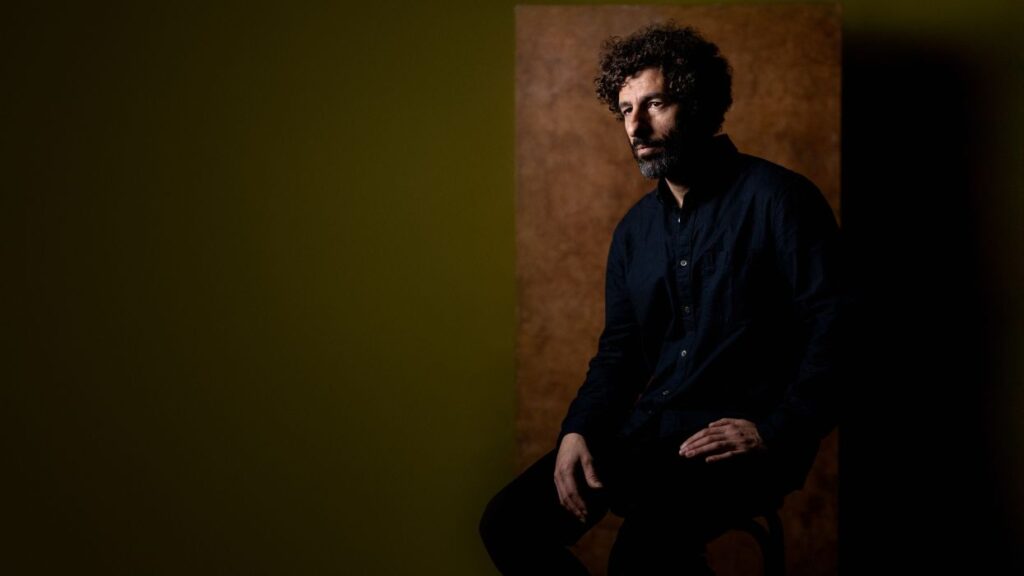
Cantautore poetico, sensibilità innata e visione autoriale sono solo tre delle caratteristiche José González, tra le voci più raffinate e riconoscibili della scena musicale contemporanea. L’artista torna in Italia per un’unica data, il 17 novembre sul palco sul palco dell’Alcatraz di Milano. Un appuntamento che offrirà al pubblico l’occasione di ascoltare dal vivo i brani di “Against The Dying Of The Light”, nuovo album pubblicato lo scorso 27 marzo, insieme alle canzoni più amate del suo repertorio.
Ci prepariamo al tuo prossimo concerto in Italia. Per cominciare, come ti presenteresti a chi ancora non conosce la tua musica?
Sono un cantautore svedese-argentino. Suono la chitarra spagnola e canto soprattutto in inglese, ma anche in spagnolo e in svedese. Lo faccio da più di vent’anni. Ho pubblicato cinque album e mi piace suonare da solo, quindi durante questo tour sarò sul palco soltanto con la mia chitarra. È anche la formula che ha caratterizzato principalmente i miei dischi nel corso di questi due decenni. Ho scritto molte canzoni mie, ma ho anche reinterpretato un paio di brani di altri artisti che sono diventati molto popolari. Il più famoso è una cover degli The Knife, un duo elettronico svedese. La canzone si intitola “Heartbeats”. Sono comunque un artista che si ispira a stili diversi.
Quando hai iniziato a suonare la chitarra e come si è sviluppato nel tempo il tuo stile?
Avevo quattordici anni quando presi la chitarra che avevamo in casa e cominciai a imparare a suonarla, inizialmente da autodidatta, con qualche canzone dei Beatles, un po’ di Bossa Nova e Simon & Garfunkel. In seguito iniziai a studiare chitarra classica e migliorai sempre di più. All’inizio suonavo soltanto accordi, poi passai a un fingerpicking più articolato, nello stile della chitarra classica spagnola. Era il periodo dell’adolescenza. Andavo anche sullo skateboard e cominciai a suonare il basso in una band punk e poi in una hardcore. Quindi le mie influenze sono piuttosto diverse.
Quello che mi ha portato dove sono oggi è successo intorno ai venticinque anni, quando ho iniziato a registrare le mie canzoni da solista. Erano più vicine allo stile di Nick Drake, con ancora qualche influenza di Paul Simon, ma anche di Silvio Rodríguez e di altri cantautori dalle atmosfere malinconiche. Quello è stato il mio primo album. Da allora ho continuato più o meno lungo la stessa strada, aprendomi però gradualmente a nuove influenze, per esempio alla musica del Mali. Alcune mie canzoni hanno un’atmosfera da desert blues, mentre altre si collocano nella tradizione classica del cantautorato. Quindi c’è una sola chitarra, ma all’interno di questo genere esiste comunque una certa varietà.
Nella tua musica convivono influenze diverse. Come si riflettono nel tuo modo di scrivere e interpretare i brani?
Sì, anche se, se si prende una canzone alla volta, non c’è poi così tanta mescolanza all’interno del singolo brano. Sono gli album, piuttosto, a essere abbastanza vari. Anche dal vivo cerco di alternare canzoni di diverso tipo: quelle più delicate e quelle più dinamiche, inserendo verso la fine anche alcune drum machine. Cerco di rendere lo spettacolo interessante evitando di fare sempre la stessa cosa.
In effetti, i tuoi spettacoli non vengono definiti semplicemente concerti, ma esperienze…
Credo dipenda dai gusti. A molte delle persone che vengono ai miei concerti piace questo approccio.
È la tua sensibilità a trasformare accordi semplici in un’esperienza. Credo che non ci sia soltanto la tecnica, ma anche il sentimento.
Certo. Penso che spesso entrino in gioco il suono della voce, l’acustica della sala e anche i concetti che stanno alla base delle canzoni. Affronto questioni esistenziali, a volte legate alle difficoltà personali, ma anche temi più ampi, rivolti all’esterno, che riguardano le sfide globali. Credo quindi che una parte dell’esperienza consista anche nel cogliere qualcosa di questi diversi argomenti.
Quando componi, qual è il rapporto tra la chitarra, la melodia e gli altri elementi del brano?
Parto sempre dalla chitarra, poi vengono le melodie e infine i testi, con pochissime eccezioni. C’è qualcosa di particolare nel creare la melodia insieme alla chitarra, perché la chitarra spagnola ha un’estensione simile a quella della mia voce. Anche quando canto da solo, in realtà canto insieme alla chitarra, e si aggiungono frequenze che arricchiscono il suono. Una volta che ho una demo, un riff di chitarra o una progressione di accordi e una melodia, le idee possono arrivare mentre cammino, corro, cucino o lavo i piatti.
Una volta completate le prime demo, come procedi verso la registrazione? Quanto tempo richiede in genere il passaggio dalle idee iniziali all’album finito?
Sono molto lento. Di solito raccolgo gli abbozzi per uno, due o anche tre anni. Poi, quando ho una raccolta di idee che mi piace, comincio a lavorarci. In pratica, provo i brani davanti a un microfono, registro tutto e ogni tanto riascolto le registrazioni in momenti e stati d’animo diversi, così da riuscire a valutare quello che sto facendo con maggiore obiettività. Il processo può durare da un paio di mesi a un paio d’anni. Di solito, però, verso la fine ho già pronto circa due terzi dell’album e, per completarlo, può capitare che lavori molto velocemente. Nell’ultimo disco, per esempio, c’è una canzone intitolata «Cheat» che ho realizzato praticamente in una settimana. Per me è un tempo rapidissimo.
Quando scrivi e registri un brano, pensi già a come potrebbe funzionare dal vivo?
Sì, immagino cose diverse nei diversi momenti del processo. So che molte persone amano ascoltare la musica in cuffia mentre camminano. Per questo sento che i miei brani devono funzionare anche in cuffia. Ma penso anche a quello che farò quando l’album sarà pronto. Per questo disco ho registrato tutte le canzoni utilizzando una configurazione microfonica simile, così da ritrovare quella sensazione di libertà che provo quando sono sul palco. Credo sia importante puntare a un’esperienza dal vivo autentica e cercare di realizzare in studio registrazioni che diano l’impressione di essere state eseguite dal vivo. Anche se provo molto e realizzo numerose versioni, cerco sempre di scegliere quelle che mi sembrano più autentiche. Per questo, dal vivo le canzoni possono suonare leggermente diverse rispetto alle versioni dell’album: a volte hai la sensazione che funzionino meglio sul palco. Penso che la maggior parte dei brani sia molto simile alle versioni registrate. Naturalmente, però, in una sala le dinamiche possono essere molto, molto più ampie. Molte persone che vengono ai concerti apprezzano i miei dischi, ma poi mi dicono che dal vivo la musica era ancora più bella.
È difficile catturare ciò che accade dal vivo in un file MP3. C’è anche il rapporto umano, il legame tra l’artista e il pubblico.
Certo. Penso che siano soprattutto le dinamiche a essere difficili da riprodurre.
Durante questo tour proporrai l’intero album insieme ad altre canzoni?
No, sarà una selezione dei miei brani. So che molte persone che ascoltano la mia musica potrebbero conoscere due o tre canzoni del primo album. Da allora ogni disco è stato un po’ diverso dagli altri. Di solito scelgo quindi una combinazione dei miei brani preferiti, di alcuni dei pezzi più conosciuti e di un paio di canzoni nuove. È una sorta di percorso attraverso tutta la mia carriera. Posso proporre spettacoli diversi a seconda della frequenza con cui ho suonato in una determinata città. Questa volta, però, presenterò una sorta di best of, con l’aggiunta di un paio di brani nuovi.
Nel tuo ultimo album affronti temi legati al futuro della società e ai rischi del progresso tecnologico. Da quale riflessione sei partito per sviluppare questi testi?
Ho iniziato scrivendo la canzone “Against the Dying of the Light”. Riflettevo su due forme di declino, su due tipi di luce. La prima è la luce dell’Illuminismo: i suoi valori, le idee di progresso sociale e il modo in cui potrebbero emergere delle controcorrenti fondate sul dogmatismo, che combattono la libertà individuale e ostacolano il ricorso alla ragione e alla scienza, strumenti che permettono all’umanità di crescere e di diventare sempre migliore. Questa è una delle due forme di luce. L’altra riguarda le tecnologie esponenziali, che sotto molti aspetti sembrano contribuire al miglioramento delle nostre società. Si stanno compiendo progressi scientifici straordinari, che potrebbero, per esempio, portare a miglioramenti della salute. Ma il progresso tecnologico dell’umanità presenta anche degli aspetti negativi. È qui che entra in gioco l’altra forma di declino.
C’è un libro intitolato “The Precipice: Existential Risk and the Future of Humanity”, pubblicato nel 2020, in cui l’autore affronta il tema dei rischi esistenziali. Per costruire la sua analisi, ha consultato esperti di diversi settori e ha elaborato un elenco di possibili minacce. Secondo queste stime, i rischi naturali comportano una probabilità su diecimila di non riuscire a sopravvivere ai prossimi cento anni a causa di eventi naturali, come l’impatto di asteroidi o le super-eruzioni vulcaniche. I rischi causati dall’uomo, invece, arrivano a una probabilità su sei. È una stima, naturalmente, ma tra queste minacce figurano una guerra nucleare, pandemie sintetiche e un’intelligenza artificiale non allineata ai nostri obiettivi. Sono tutte cose create dagli esseri umani che potrebbero portarci alla fine.
L’intelligenza artificiale apre questioni etiche e pratiche che riguardano anche la musica. Hai sperimentato il suo utilizzo nel tuo processo creativo?
Sì, penso che spesso sia possibile esaminare le questioni più da vicino e trovare soluzioni pratiche. A volte sembra che ci siano soltanto uno o due modi per affrontare un problema, ma spesso, analizzandolo nel dettaglio, ci si rende conto che tutto si riduce a questioni ingegneristiche molto specifiche. Un modo per affrontare la questione, quindi, non è chiedersi se le cose andranno bene o male, ma piuttosto che cosa possiamo fare per ridurre il rischio di estinzione o di conseguenze catastrofiche. Sono una persona curiosa e mi interessano le macchine che possono pensare, o che non possono farlo. Per questo ho iniziato a sperimentare per conto mio. Ho verificato quanto fossero capaci i modelli linguistici di scrivere poesie utilizzabili in ambito musicale. Ed erano pessimi. Per molto tempo sono stati davvero scarsi.
Poi, all’improvviso, ho capito che potevo indicare loro una serie di istruzioni precise: Okay, questa melodia potrebbe funzionare con queste quattro frasi, con questo numero di sillabe, e le rime dovrebbero seguire lo schema A-B-A-B oppure A-A-B-B. Potevo semplicemente formulare le richieste come una ricetta. Potevo chiedere di inserire molte metafore e di rendere il testo un po’ surreale. A un certo punto, i modelli hanno cominciato a produrre poesie che funzionavano musicalmente. Potevo suonarle e cantarle immediatamente. Nell’album ci sono, per esempio, due parti in cui ho utilizzato l’intelligenza artificiale per scrivere i testi. Una è una sequenza di ginnastica contenuta nella canzone in svedese intitolata “Gymnastan”.
È un brano in cui interpreto il ruolo di un commentatore sportivo, quindi il testo doveva sembrare una telecronaca sportiva di alto livello. Per questo ho utilizzato ChatGPT. Nell’ultima canzone, invece, ho realizzato una collaborazione, per così dire. Ho generato una ventina di poesie attraverso le mie richieste, poi ho modificato i testi, tagliato e incollato alcune parti e ne ho scritte altre personalmente. È quindi una sorta di canzone-concept. Si intitola “Joy”. Alla fine scrivo: Qualunque cosa accada, resteremo primati incapaci di fare a meno di cantare. Rifletto su cosa succede quando utilizziamo l’intelligenza artificiale per molte attività e deleghiamo a essa ogni genere di compito. In fondo, siamo esseri coscienti che amano gli aspetti sociali della vita. Continuiamo ad apprezzare il ballo, il canto e la conversazione. Quindi, per essere chiari, quella è una canzone-concept. Credo che sia importante distinguere tra chi impartisce rapidamente un comando all’intelligenza artificiale e poi si disinteressa del risultato e chi, invece, la utilizza come uno strumento per essere più produttivo o semplicemente per divertirsi. Penso che le persone debbano sentirsi libere di essere curiose, ma senza dimenticare la propria umanità. È importante ritrovarsi attraverso la musica, il ballo o il cibo, anziché diventare dipendenti dai social media e dall’intelligenza artificiale. Bisogna sempre riflettere su come si impiega il proprio tempo.
Che ruolo ha la copertina nella concezione dei tuoi album? In che modo partecipi alla definizione della sua immagine e dei suoi significati?
La grafica degli album è sempre stata molto importante per me. La mia compagna ha curato le copertine degli ultimi due dischi e affrontiamo ogni nuovo album attraverso una fase di brainstorming. Di solito, però, ho bisogno di avere già pronti la maggior parte delle canzoni e dei testi. Per questo album avevamo diverse idee e alla fine abbiamo scelto quella che ci convinceva di più: realizzare una bandana. Ha lo stile delle bandane dei latinos di Los Angeles, con un tessuto blu scuro e bianco e una fantasia che potrebbe appartenere tanto a un’anziana signora quanto a un adolescente di Los Angeles. Ci sono anche elementi ispirati ai tatuaggi.
Ogni elemento ha un piccolo significato simbolico. Abbiamo inserito nella grafica molte idee provenienti dai testi. È divertente ascoltare le canzoni, leggere le parole e poi cercare di capire che cosa possa rappresentare ciascun elemento. Per esempio, ci sono un coltello e una conchiglia. Un coltello può essere utilizzato per aprire una conchiglia e ricavarne del cibo, ma può anche servire a fare del male. È un riferimento al duplice uso della tecnologia. Nella parte superiore ci sono due anelli. Stavo pensando alla teoria degli insiemi: quando due anelli si sovrappongono, l’intera area occupata dai due insiemi viene chiamata unione. Riflettevo sui sistemi morali. Se un’ideologia si basa su un sistema di valori che prende in considerazione soltanto una parte della realtà, allora è incompleta. Soltanto un sistema morale che tenga conto di tutti gli esseri senzienti può essere considerato più completo. Questo è uno dei simboli presenti sulla copertina.
José Gonzales interview
We’re getting ready for your upcoming live show here in Italy, and I’d like you to introduce yourself first for people who may not know you.
I’m a Swedish-Argentinian singer-songwriter. I play Spanish guitar and sing mainly in English, but also in Spanish and Swedish. I’ve been doing this for over 20 years. I’ve released five albums, and I like to play alone, so on this tour I’ll be alone on stage with my guitar. That’s also the main style I’ve been recording in over these two decades. I have many of my own songs, but also a couple of songs by other artists that have become very popular. The most popular is my cover of “Heartbeats” by the Swedish electronic duo The Knife. And then, yeah, I’m inspired by different styles.
I’d like to know more about your guitar style. When did you start playing? How did you develop your own style within the broad range of guitar playing?
I was 14 when I picked up the guitar that was at home and started learning, initially on my own, playing some Beatles, some Bossa Nova, some Simon and Garfunkel. Then I started playing classical guitar, and I got better and better. At first, I played only chords, and then I moved on to more detailed fingerpicking, in the Spanish classical guitar style. This was around the time when I was a teenager. I was also skateboarding, and I started playing bass in a punk band and then a hardcore band. So my influences are diverse. What led me to where I am today was that, around the age of 25, I started recording my solo songs. They were more in the style of Nick Drake, with some Paul Simon still in there, but also Silvio Rodríguez and other somewhat moody singer-songwriters. That was my first album. Since then, I’ve continued with more or less the same style, while slowly but surely allowing myself to be influenced by music from Mali, for example. Some of my songs have that desert blues feel, others are very much in the classic singer-songwriter tradition. So it’s just one guitar, but there’s still a bit of eclecticism within that genre.
So it’s not just the way you play the guitar, but also the way you blend musical genres, bringing styles usually played by bands into a solo artist’s work. Is this one of your distinctive characteristics?
If you take one song at a time, there isn’t much mixing of styles within an individual song, but the albums can be quite varied. As for the show, I try to mix different kinds of songs: the mellow ones and the more dynamic ones, including some drum machines towards the end. I try to make the show interesting by not doing just one thing.
In fact, your shows aren’t simply called concerts, but experiences…
I guess it’s a matter of taste. Many people who come to my shows enjoy the experience.
It’s your sensibility that turns simple chords into an experience. I believe there’s not just technique involved, but also feelings.
Of course. I think that, many times, it has to do with the sound of the voice, the sound in the room, and also the concepts. I touch upon existential questions, sometimes questions about personal struggles, and also broader, outward-looking questions about global challenges. So I think part of the experience is also getting a sense of these different topics.
Do you always start composing with the guitar?
It’s always guitar first, melodies next, and then lyrics, with very few exceptions. There’s something about creating the melody together with the guitar, because the Spanish guitar has a range similar to my voice. Even when I’m singing alone, I’m singing with the guitar, and then you get these frequencies that add something extra. But once I have a demo, once I have a guitar riff or a chord progression and a melody, ideas can come to me when I’m walking, running, cooking or doing the dishes.
And once you have your demos ready, what’s the next step? Do you go straight into the studio? How much of a perfectionist are you? How long does it take you to turn your ideas and demos into a final product, an album that you’re satisfied with?
I’m very slow. I usually gather my sketches over one, two or even three years. Then, once I have a collection of sketches that I like, I start working on them. That basically means rehearsing in front of a microphone, recording everything, and listening back once in a while, in different moods, so I can have a more objective feeling about what I’m doing. It can take anything from a couple of months to a couple of years. But usually, towards the end, I have maybe two-thirds of the album ready, and then, to make the album feel finished, I might do things very quickly. On my latest album, for example, there is a song called “Cheat” that I basically did in one week, which is very fast for me.
When you compose your songs, or even when you’re recording them, do you already imagine how they’ll sound live?
I imagine different things at different times. One way of listening that I know a lot of people have is through headphones while walking. So I feel like the music needs to work with headphones. But I also think about what I’m going to do once the album is ready. For this album, I recorded all the songs using a similar microphone setup, so I could feel the freedom I feel when I’m on stage. I think there’s something about aiming for an authentic live experience and trying to make studio recordings that feel as though they’re being performed live. Even though I rehearse a lot and do many different versions, I always try to choose the ones that feel most authentic. So they may sound slightly different live from the versions on the album because you feel that they sound better live. I think most of the songs are very similar, but in a room, the dynamics can be much, much broader. Many people who come to the shows enjoy the recorded music, but they say that it was better live.
It’s difficult to capture what happens live in an MP3 format. There’s also the human connection between the artist and the audience.
Of course. I think it’s mainly the dynamics that are difficult to capture.
Will you perform the whole album along with other songs on this tour?
No, it’s a mixture of my songs. I’m aware that many people who have listened to my music may know two or three songs from the first album. Since then, each album has been a bit different. So I usually put together a mixture of my favourite songs, some of the top ten, and a couple of new ones. It’s a journey through my whole career. I can put on varied shows, depending on how often I have playeded in a certain city. But this time I’m doing more of a best-of set, plus a couple of new songs.
I’d like to ask you more about the lyrics on this latest album. The subject matter is quite strong. The title sets up certain expectations about the album’s lyrics.
I started by writing the song “Against the Dying of the Light”. It was a song in which I was thinking about two kinds of dying, two kinds of light. One is the light of enlightenment: basically, enlightenment values and ideas of societal progress, and how there might be counterwaves based on dogmatism, fighting against individual liberty and putting an emphasis on reason and science to help humanity grow and move towards better and better versions of ourselves. So that’s one part of the light. The other part concerns exponential technologies, which seem to be making our societies better in many ways. A lot of amazing science is being done, and it might lead to better health, for example. But there are downsides to humanity’s technological progress. That’s where the other kind of dying comes in.
There’s a book called“The Precipice: Existential Risk and the Future of Humanity”, written in 2020, in which the author discusses existential risks. He makes a list based on asking experts in each field. The natural risks add up to a one-in-10,000 chance that we won’t make it through the next hundred years because of natural risks, such as asteroids and supervolcanoes. But the man-made risks add up to one in six. It’s more of an estimate, but these risks include nuclear war, synthetic pandemics and unaligned AI. These are things humans have created that might bring about our end.
We’re at a point where deciding how humanity should move forward is a major ethical choice, also regarding AI use. Do you use it with your music?
Yeah, and I think that, many times, you can zoom in and find practical solutions. Sometimes it feels as though there are only one or two ways to do things, but often, when you zoom in, it all comes down to very specific engineering problems. So one way to look at this is not to say that things are going to be good or bad, but rather to ask what we can do to lower the risk of extinction or catastrophic outcomes.
I’m a curious person, and I’m curious about machines that can think or can’t think. So, I’ve been experimenting on the side. I’ve been checking how good these language models are at making poems that can be used for music. And they were crap. They were really bad for a long time. Then, all of a sudden, I realised that I could tell myself, Okay, this melody could work with these four sentences, with this number of syllables, and they should rhyme A-B-A-B or A-A-B-B. I could simply write it down as a recipe. I could ask for lots of metaphors and make it a bit surreal. And all of a sudden, the models started producing poems that were musical. I could play and sing them straight away. For example there are actually two parts on the album where I used AI for the lyrics. One was a gymnastics sequence in the Swedish song called “Gymnastan”.
It’s a type of song in which I’m acting like a sports commentator, and it needed to sound like a high-level sports commentary. So I used ChatGPT for that. Then, on the last song, I did a collaboration, so to speak. I prompted about 20 poems, did some editing and some cutting and pasting, and wrote parts of it myself. So it’s more of a concept song. It’s called “Joy”. At the end, I write, Whatever happens, we’ll still be primates who can’t help but sing. I’m thinking about what happens when we use AI for many things and we cognise everything. In the end, we’re conscious beings who enjoy the social aspects of life. We still enjoy dancing, singing and talking. So, to be clear, that song was a concept song. I think there’s a difference between simply prompting something quickly and walking away, and using something as a tool to make yourself more productive or to have fun. I think people should feel free to be curious, but at the same time, they should never forget their humanity. I see the importance and value of getting together through music, dance or food, rather than becoming addicted to social media and AI. So always think about how you use your time.
Since you’re a complete artist, you write your own music and lyrics, you sing and play, and you travel around the world alone, how important to you is the album artwork? Do you have control over it?
Yes, the album artwork has been very important to me. My girlfriend has created the artwork for my last couple of albums, and we approach each new album through a brainstorming process. But usually, I need to have most of the songs and most of the lyrics ready first. With this album, we had a few ideas, and the one we fell for was to create a bandana. It has the style of L.A. Latinos, with a dark blue and white piece of cloth featuring a pattern that looks like something an old lady could wear, but also something a young teenager from L.A. could wear. It includes elements inspired by tattoos. Each element has a little symbolic meaning, we incorporated many ideas from the lyrics into the artwork. It’s fun to listen to the songs, listen to the lyrics, and then see what each element might mean.
For example, there’s a knife and a shell. A knife can be used to open a shell for food, or it can be used for violence. So there’s the dual use of technology. In the upper part, there are two rings. I was thinking about set theory. You have two rings, and the entire area covered by those two rings is called the union. I was thinking about moral frameworks. If you have an ideology with a moral framework that covers only one part, then it’s incomplete. Only if you have a moral framework that takes all sentient beings into account do you have something more complete. So that’s one of the symbols.
Articolo di Francesca Cecconi